


Germany, International Dialogue, Socialism, Vietnam | 2024-12-03
Future Dialogue with Vietnam
Communist Party of Vietnam (Since 2018)
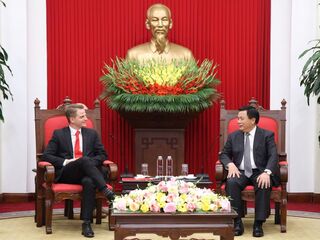
Prof. Nguyen Xuan Thang and Maximilian Schirmer, Deputy Chairman of Die Linke, discuss recent political developments during the 5th 'future dialogue'.
Political dialogue is a crucial instrument in fostering international solidarity. As economic relations between Vietnam and Germany intensify, it is important for left-wing actors to keep pace. Therefore, the Rosa-Luxemburg-Stiftung facilitates an annual ‘future dialogue’ between the Communist Party of Vietnam (CPV) and the German party Die Linke. Although the political contexts in both countries are different, this exchange enhances mutual understanding, allows for fruitful debates and enables the sharing of valuable experiences.
The inaugural exchange took place in 2018. The German delegation in Hanoi was led by Wulf Gallert, Co-Chair of Die Linke’s International Commission. The dialogue provided an opportunity to discuss recent political developments. Gallert, for example, held an insightful lecture on the current state of left-wing politics in Germany. In 2019, the CPV, in turn, sent a delegation to Berlin. Accompanying the party dialogue, the visitors met State Minister President Bodo Ramelow in order to expand Vietnam’s educational cooperation with the state of Thuringia. Following the Covid-19 pandemic, the 3rd and 4th iteration of the exchange centered on the issue of economic recovery. Further, in 2023, the Vietnamese delegation inspected coal mines in East Germany to explore paths towards a social-ecological-transformation.
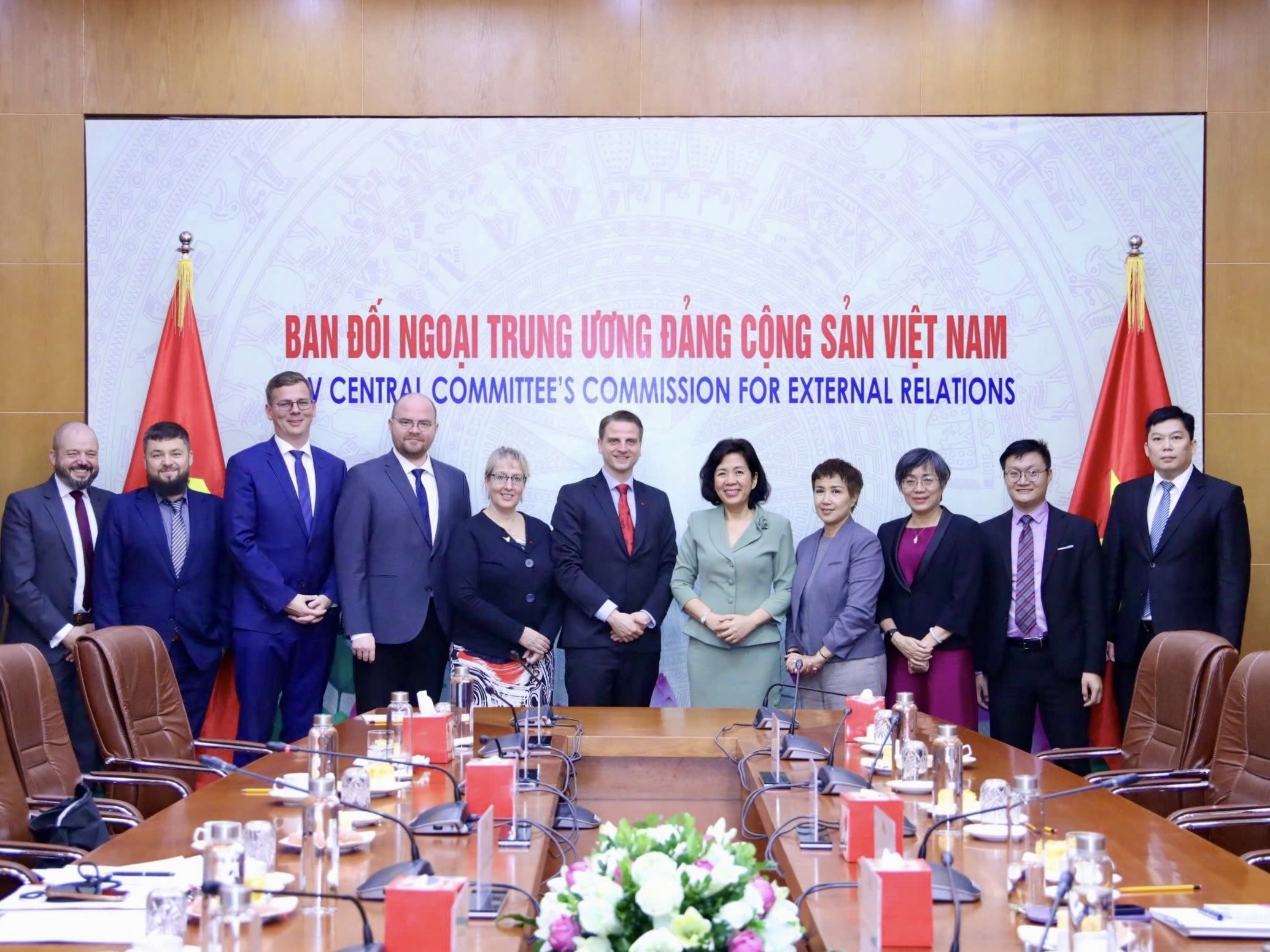
The 5th annual future dialogue proceeded in 2024 and marked a significant milestone in strengthening the friendship between the two parties. The Die Linke delegation and the CPV Central Committee’s External Relations Commission shared experiences on a wide range of issues, such as decision-making process within the parties, election campaigns and youth education.
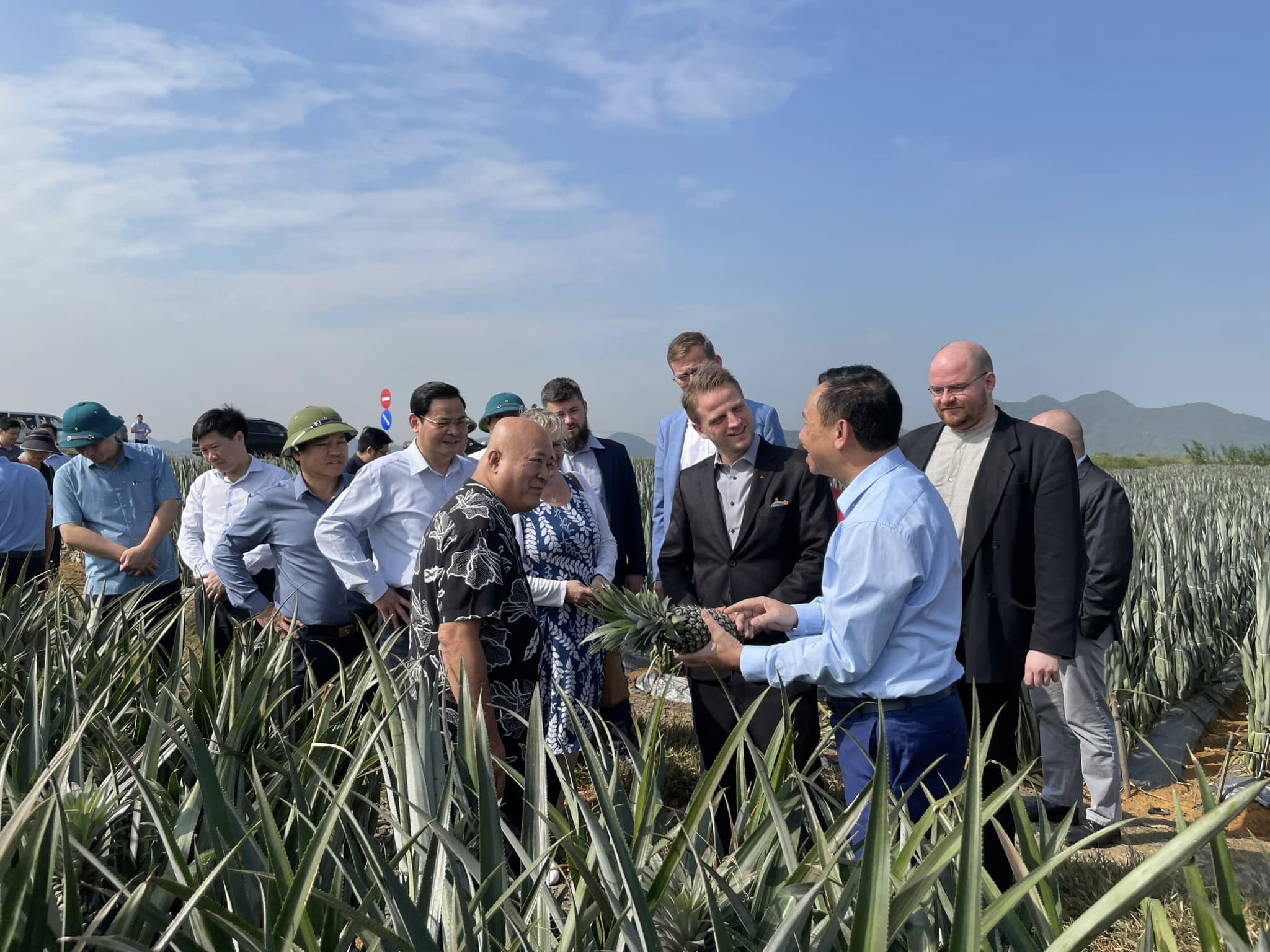
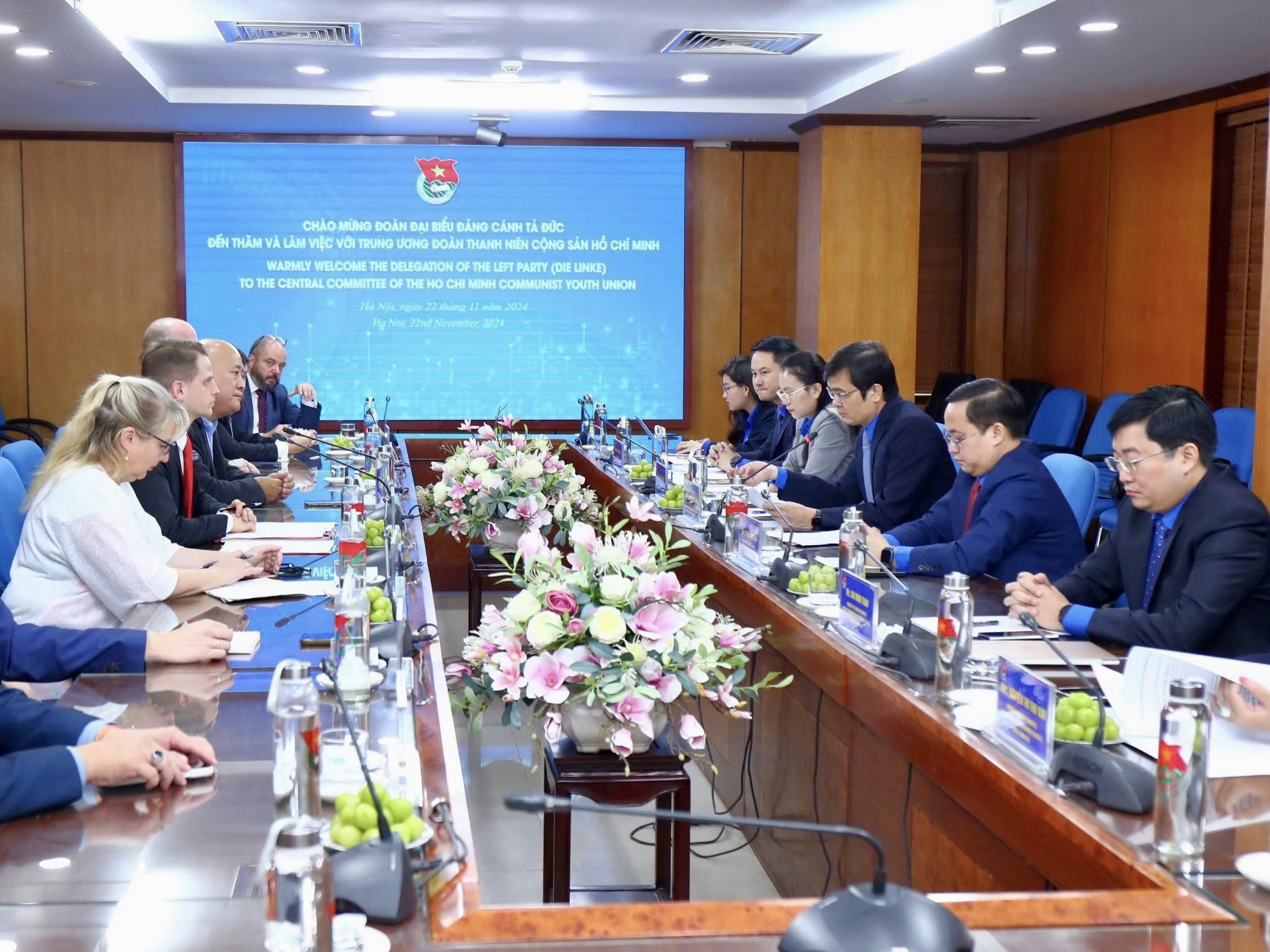
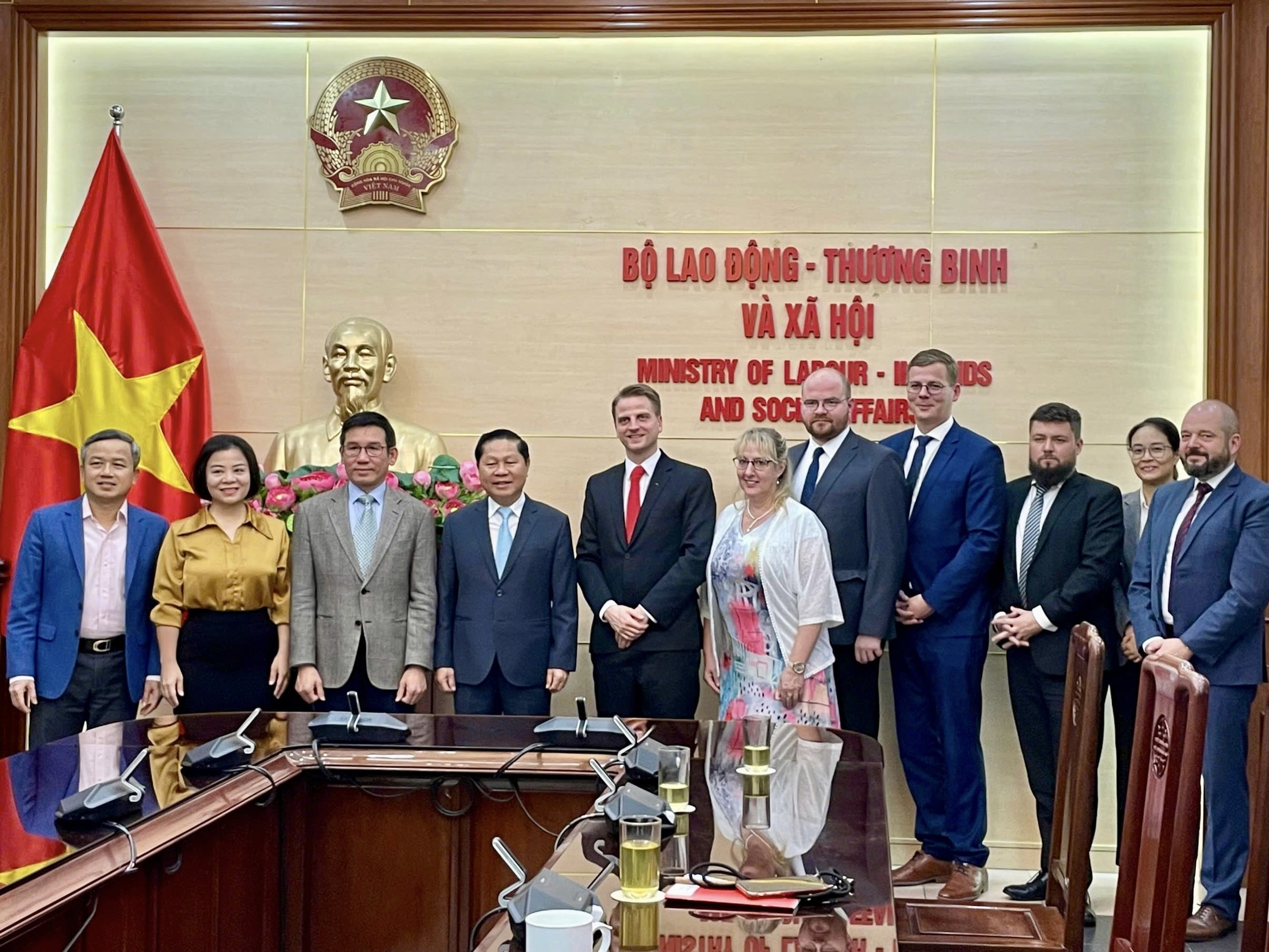
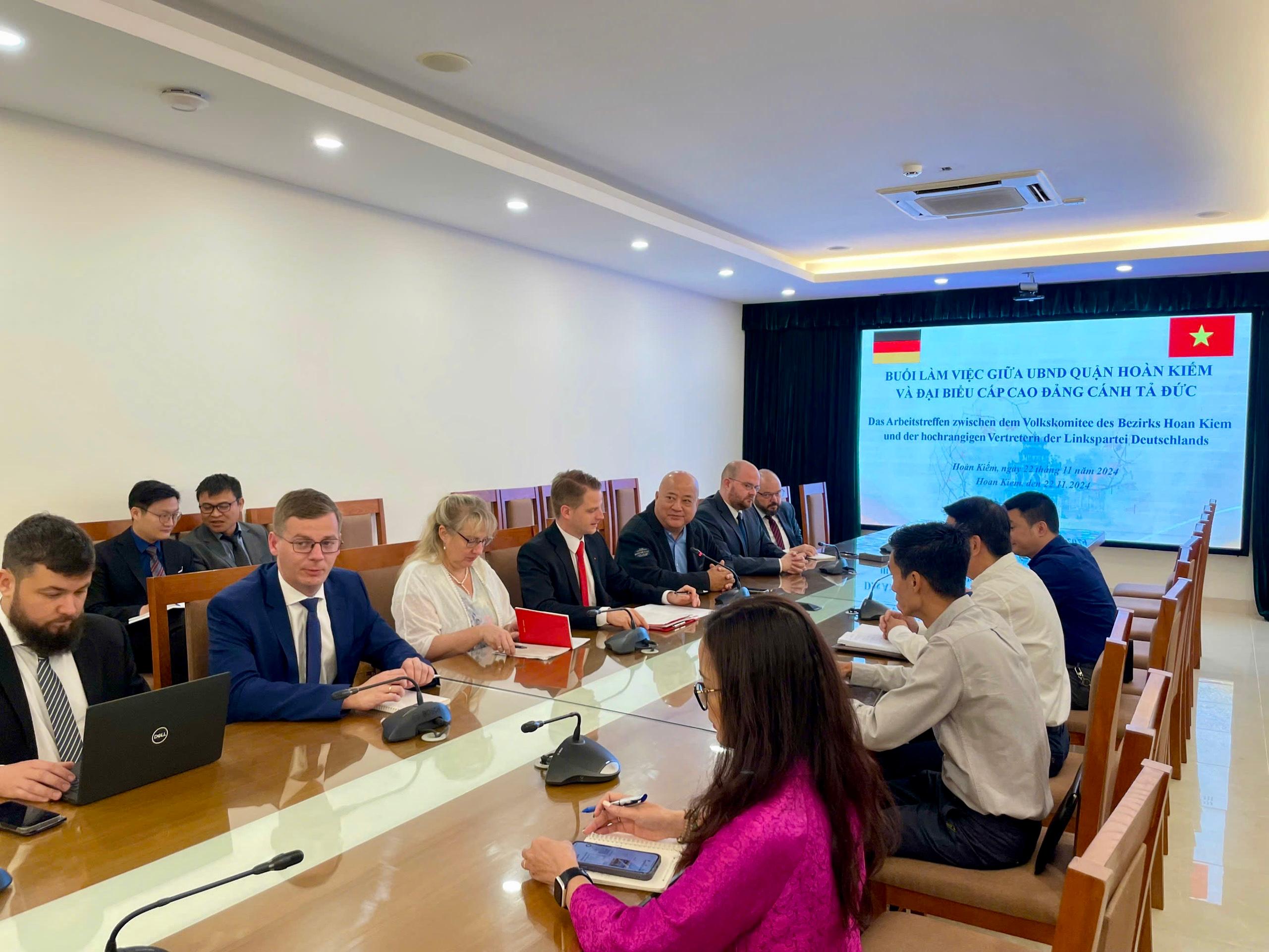
The German delegation had the chance to meet several affiliated organizations, including the CPV’s Nhan Dan newspaper, the Ho Chi Minh Communist Youth Union as well as representatives of Ninh Binh province. For the first time, Die Linke also put the issue of the Vietnamese community in Germany on the agenda. On the one hand, there was a meeting at the Ministry of Labor, Invalids and Social Affairs in which the migration of skilled workers to Germany was discussed. On the other hand, the delegation met with representatives of Hanoi's Hoan Kiem district to strengthen the partnership with Berlin's Lichtenberg district, which boasts the largest Vietnamese community in Germany.
The dialogue concluded with an exchange on socialism in the 21st century hosted by Prof. Nguyen Xuan Thang, member of the CPV’s Politburo, Head of Central Theory Council and President of the Ho Chi Minh National Academy of Politics. The dialogue and the meeting with Prof. Thang received broad coverage across Vietnamese media (minute 29 onwards). Both sides agreed to further expand the cooperation and thus strengthen Vietnamese-German relations.
The Communist Party of Vietnam (CPV)
The CPV was founded in 1930. Led by Ho Chi Minh, the party spearheaded Vietnam’s struggle for national liberation. After prevailing over French colonial rule and U.S. imperialism, the CPV has been the sole guiding force of the Vietnamese state and society. Since the 1980s, the party has overseen Vietnam’s rapid socio-economic development.