


Philippines, Social Justice | 2024-07-16
Fisher Folk and the Fight for their Place at Sea
NGOs for Fisheries Reform (Since 2021, former Manila Office)

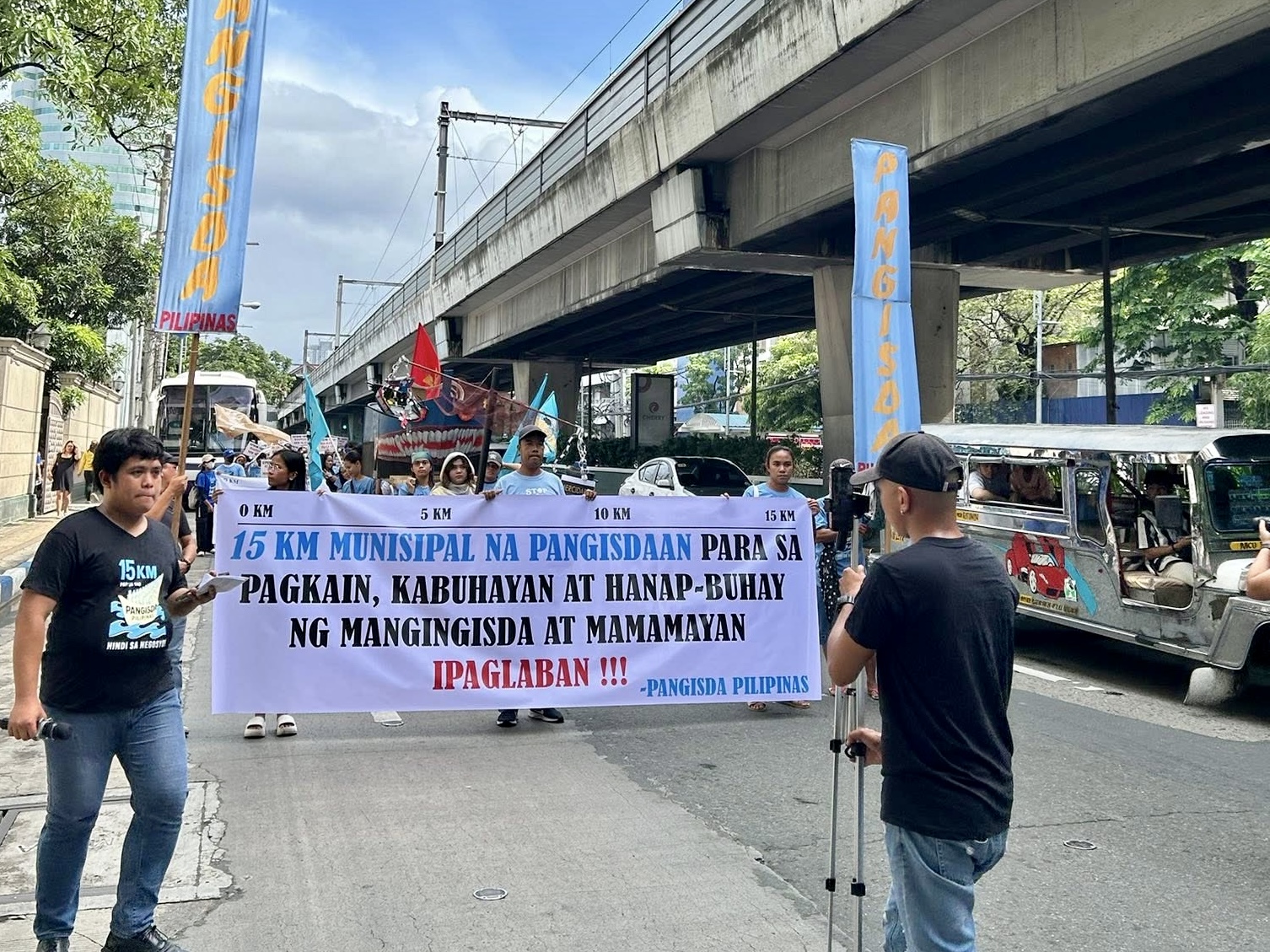
Protest organized by the NGO for Fisheries Reform in front of the Supreme Court in Manila, July 2025
Known for its more than seven thousand islands, the Philippines are endowed with rich marine resources. Thus, fishing is deeply embedded in Philippine culture and identity with a coastline of more than 36,000 kilometers. According the government sources, the Philippines ranked as the 11th top fish produce and the 4th largest seaweed cultivator in 2021, constituting one percent of the global aquaculture production. As an archipelago, it is easy to think that aquaculture is a thriving sector providing sustainable livelihood and food security. However, the reality is different.
There are around 2.3 million registered fisher folk, or those engaged in small-scale or municipal fisheries in the Philippines. This number has been declining in recent decades driven by a combination of factors including climate change and inadequate income. According to 2023 government data, fisher folk had the second-highest poverty rate among all sectors at 27.4 percent, often lacking basic living expenses.
How can a sector vital to the country’s economy and national identity remain so marginalized and vulnerable? The NGO for Fisheries Reform (NFR) as an organization dedicated to fisheries policy reform and advocacy argues that government support and enforcement of fishery laws are not enough. In addition, small fisher folk are facing insecurity when it comes to access rights to fishing grounds. What was once an open and abundant sea is becoming narrower and more hostile for small fisher folk due to pressure from local and foreign commercial fishers. One of the bills supported by NFR is the Senate Bill No. 1919 also known as the Bantay Dagat (Sea Warden) Bill. It aims to recognize volunteers who help protect the country’s marine resources and exclusive economic zone.
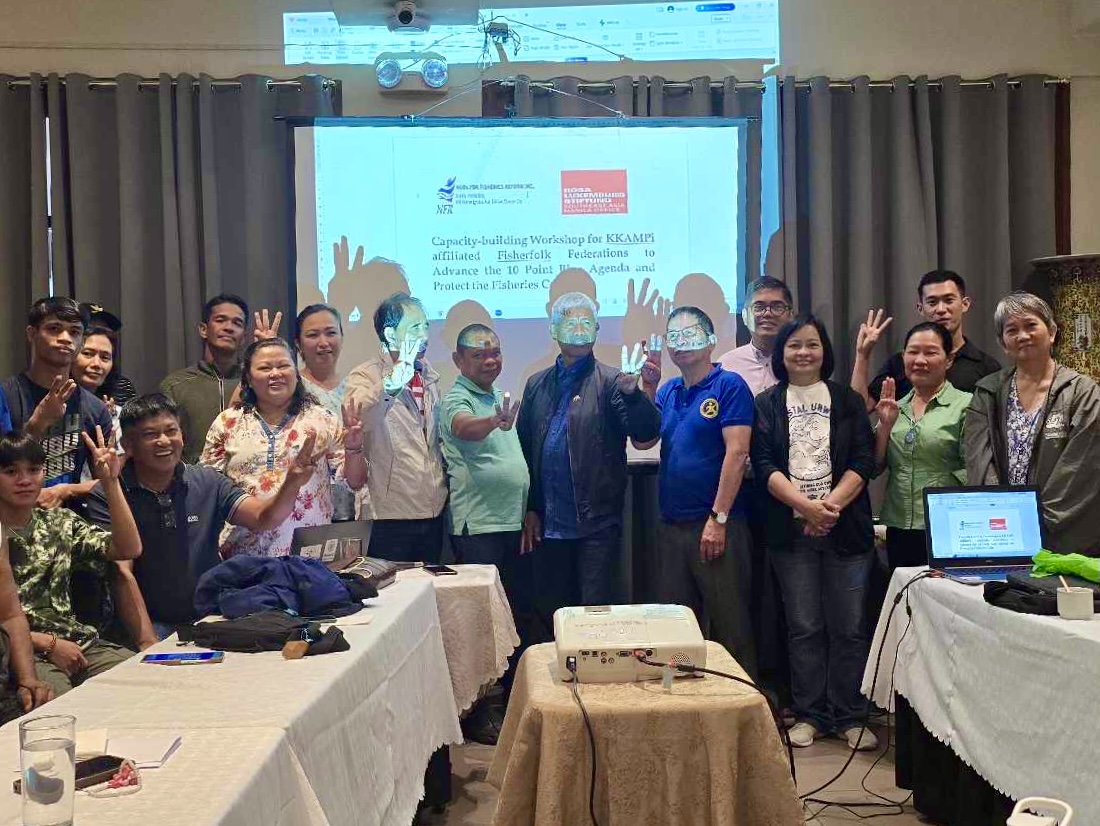
RLS first partnered with NFR in 2021 to support projects and activities that articulate small fisher folk’s interests and aspirations. NFR led a series of policy consultations to strengthen the participation of community-based organisations in national policy development. Together, they developed the Philippine Blue Agenda for Sustainable Fisheries in 2022 to ensure that fisher folk are not left behind in policymaking. NRF continues supporting fisher folk to fight for their rightful place in the sea by empowering fisher folk organizations to demand the upholding of their rights by strengthening their legal knowledge and capacity to take an active role in public advocacies. It also engages with government institutions to ensure the rights of small-scale fisher folk are upheld in policy-making.

NGOs for Fisheries Reform
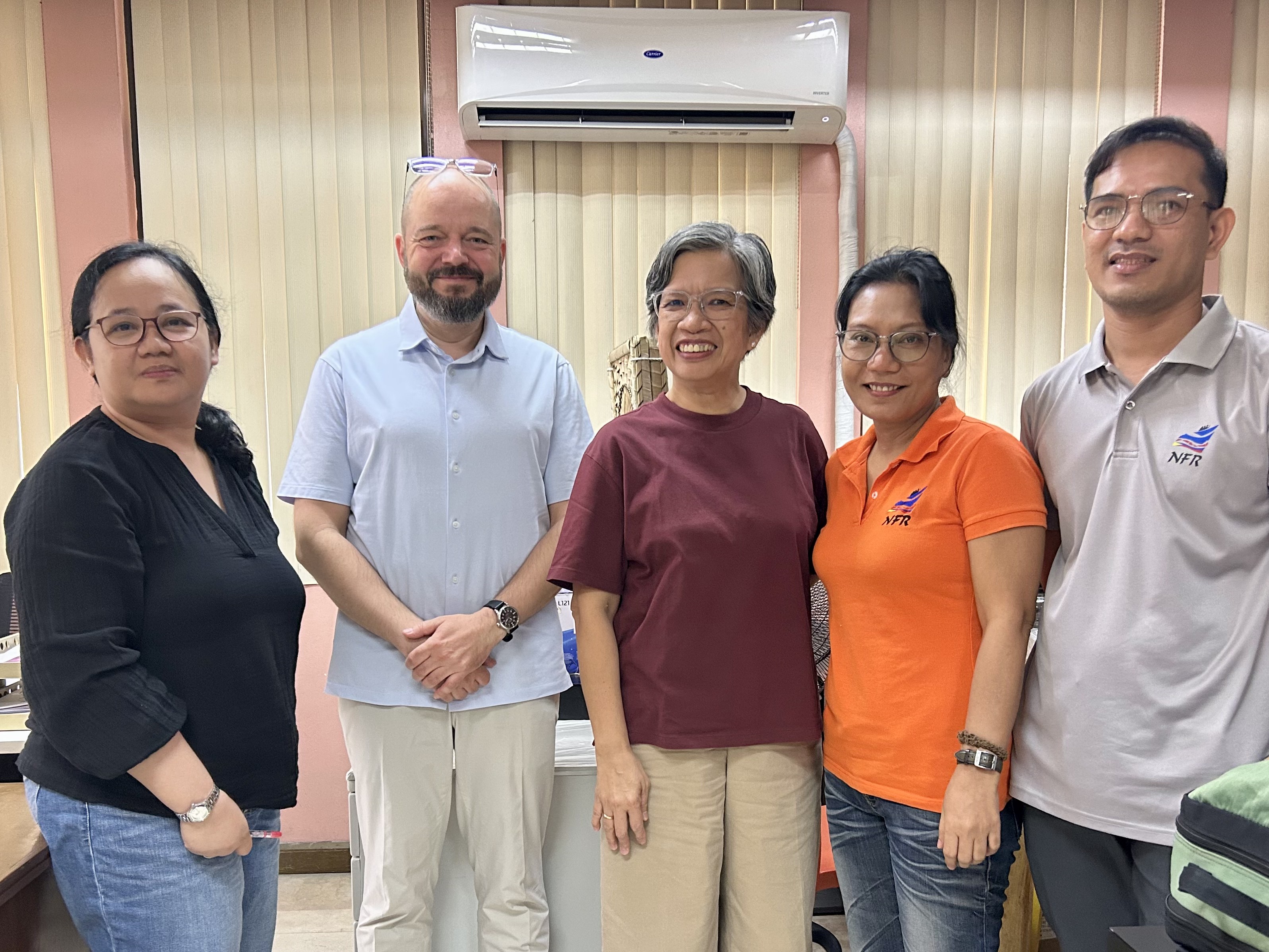
The NGOs for Fisheries Reform (NFR) was founded in 1994 and has focused on fisheries policy reform and advocacy at the national and local levels. It has been instrumental in the passage of several important legislations in the Philippines.