


Indonesia, Social-Ecological Transformation | 2024-07-09
Climate Justice in Indonesia
Aksi Ekologi dan Emansipasi Rakyat (since 2019, former Manila Office)
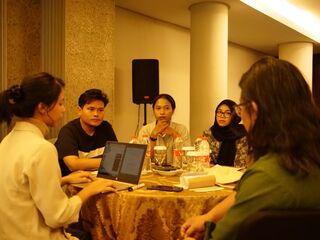
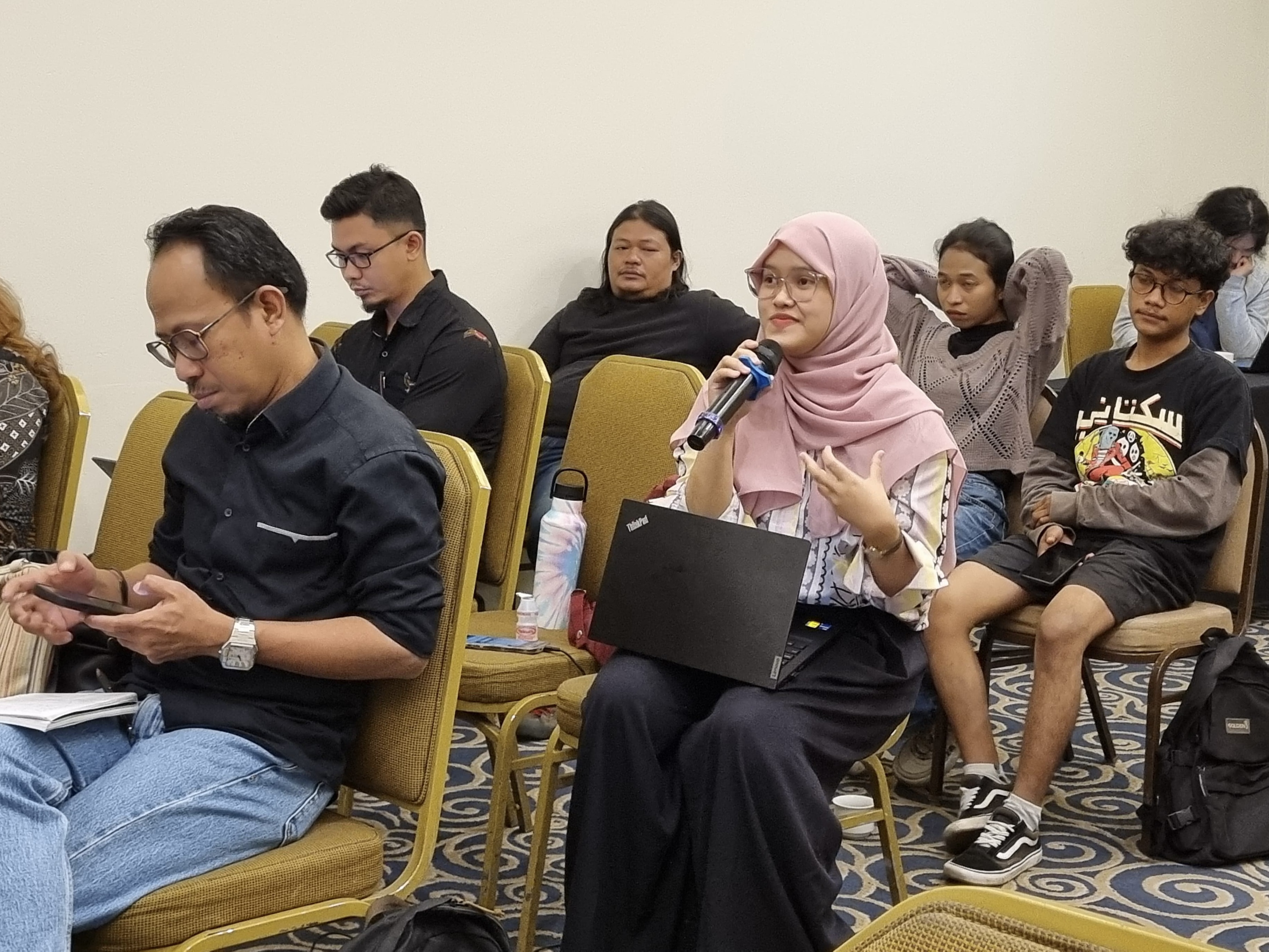
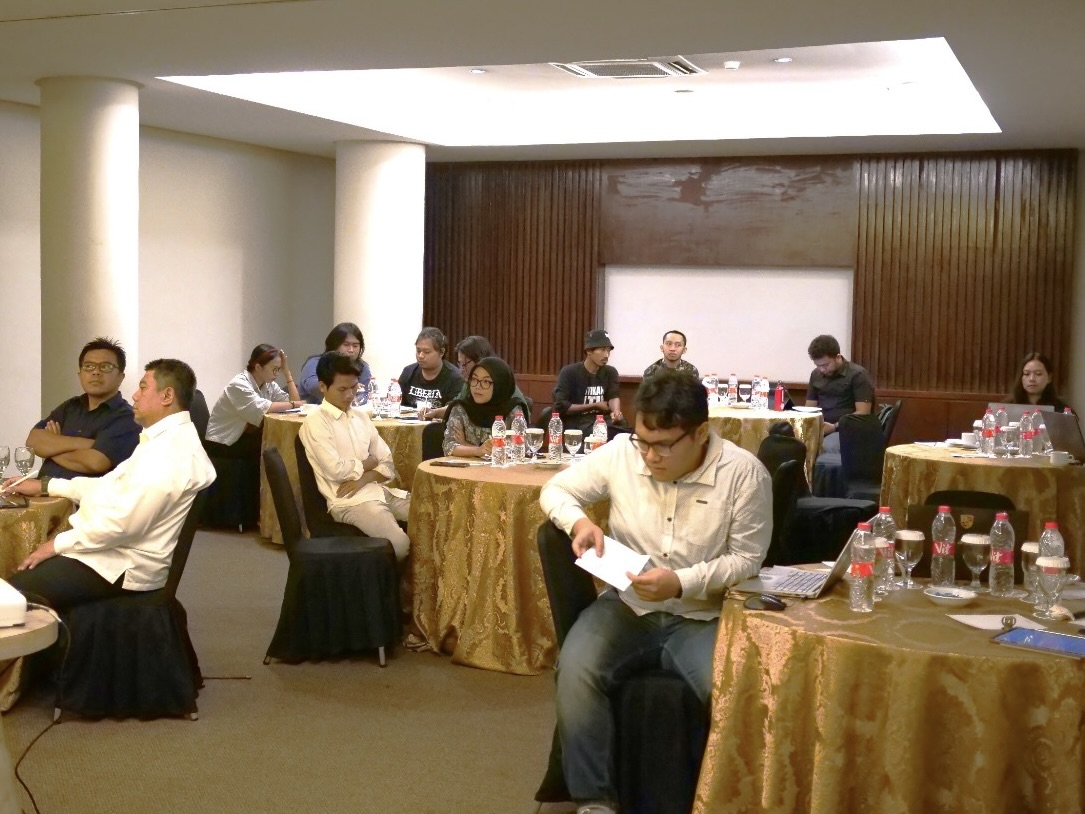
Participants at AEER's public dialogue on retiring the coal power plant Suralaya in 2024
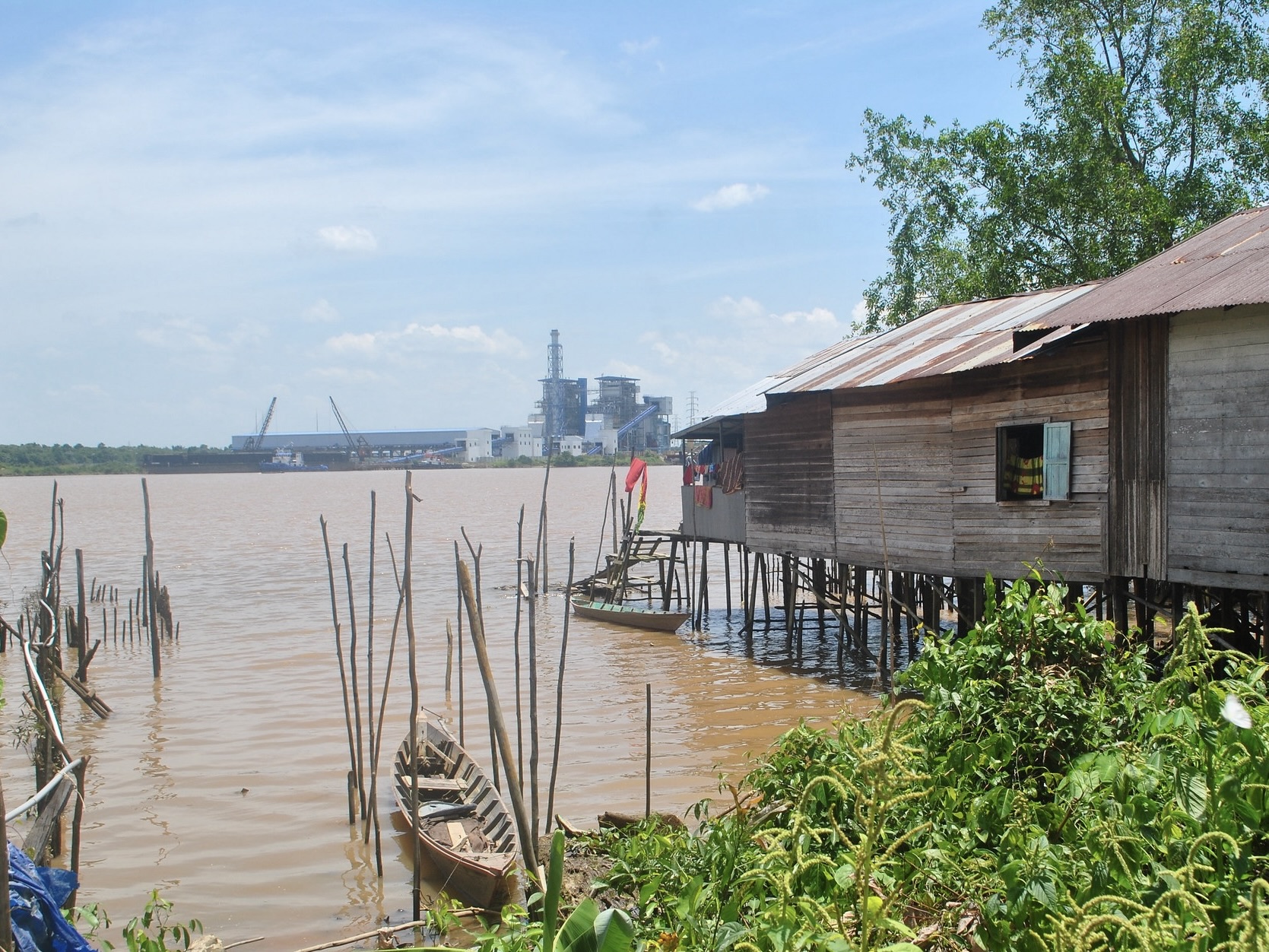
Indonesia is the largest exporter of coal and processed nickel. Both play a critical role in global climate action. As coal energy is being phased out, the demand for nickel – key to the production of electric vehicles and solar infrastructure – has skyrocketed. However, in communities across Indonesia, this shift has often only exacerbated existing challenges. While lowering emissions remains crucial, proposed policies frequently neglect broader social and ecological impacts. Thus, the Rosa-Luxemburg-Stiftung is working together with Aksi Ekologi dan Emansipasi Rakyat (AEER) to strengthen social rights and environmental protection amid Indonesia’s energy transition.
Indonesia’s nickel industry has become a leading cause of deforestation, coastal and air pollution. In light of its rapid growth and lack of transparency, AEER has lead investigations of the nickel sector since 2019. In their first contribution, “Road to Ruin”, AEER researchers examined the Morowali Industrial Park. Working together with affected communities, they recorded its devastating impact on local environments and livelihoods. In 2021, AEER published “Fast and Furious for Future”, which provides an overview of nickel production across Indonesia. AEER supported civil society organizations (CSOs) in using the study as a basis for dialogue and policy advocacy. Currently, AEER strives to map out Indonesia’s entire nickel supply chains aiming at the enforcement of European supply chain laws. The tracking of environmental, human and labor rights violations paves the way for CSOs and trade unions to hold companies accountable.
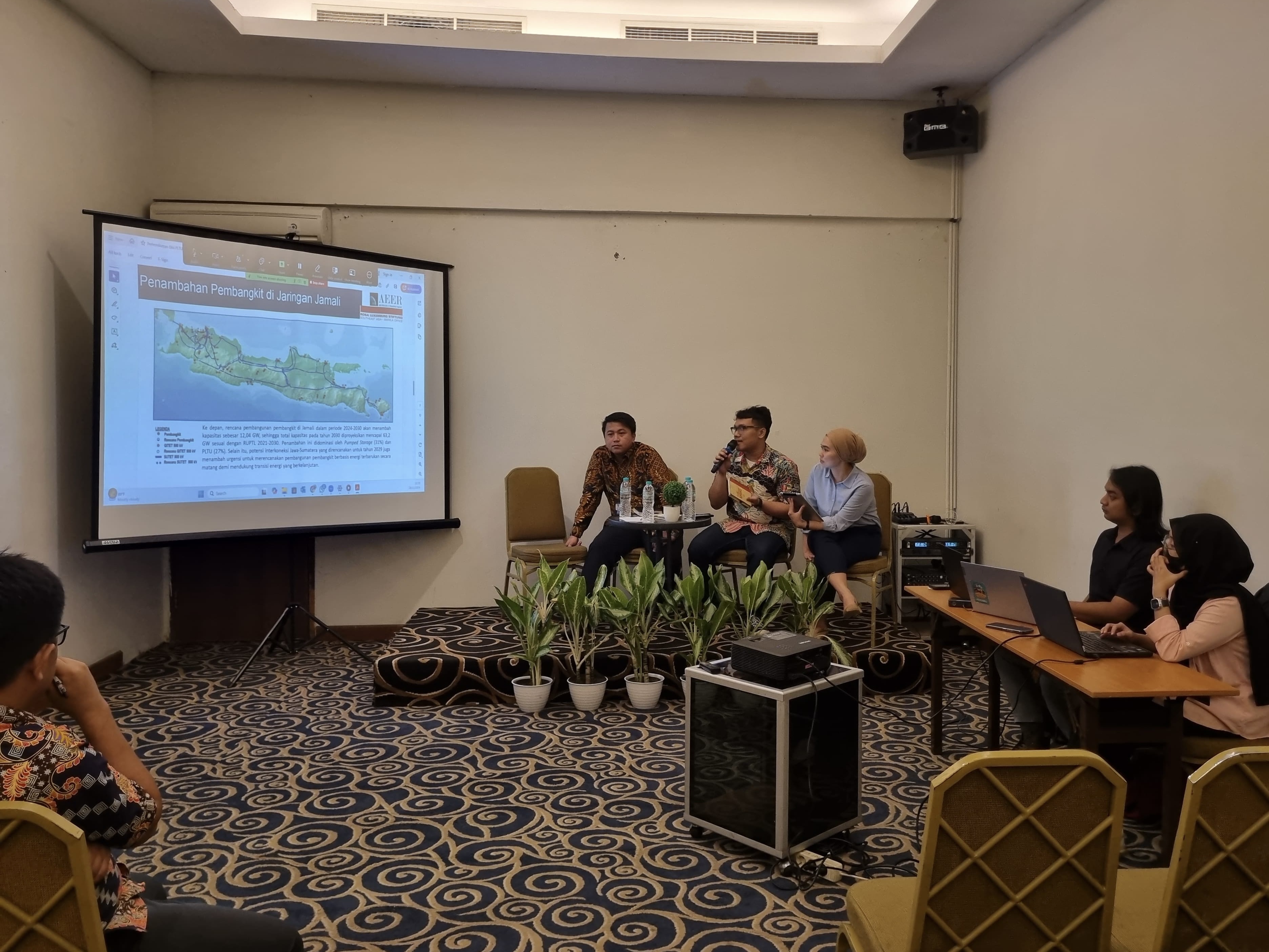
AEER has also engaged with the Just Energy Transition Partnership (JETP). It includes funding and expertise from Global North countries to support Indonesia’s shift towards renewable energy. However, since its inception in 2022, the JETP roll-out has failed to reduce coal dependence or to establish social inclusion mechanisms. Hence, AEER has joined efforts to strengthen its transparency and public participation. AEER recently published studies on the current state of Indonesia’s energy transition, JETP’s financial instruments and its implementation. In 2024, AEER also initiated an advocacy campaign based on a series of public dialogues. By bringing together workers, affected communities and representatives from Colombia and South Africa – two countries experiencing similar transformations – AEER is working towards a more sustainable and just transition.
Aksi Ekologi dan Emansipasi Rakyat (AEER)
AEER is a non-profit organization based in Jakarta. Since its founding in 2017, AEER has supported local communities in protecting their environment and social rights. Its work is based on independent research, public outreach and policy advocacy.